

NEW Keep control of payroll. Lose the workload. See how it works
The short answer
Massachusetts employers with 25 or more covered individuals are about to see their PFML dollars move to a different line.
Starting January 1, 2027, the required employer contribution shifts off medical leave and onto family leave — it's a structural swap, not a rate hike, and employers with fewer than 25 covered individuals see no change at all.
Under Chapter 101 of the Acts of 2026, the split between what employers and employees fund is reversing, side for side:
| 2025–2026 (current) | 2027 (new) | |
|---|---|---|
| Family leave | Up to 100% withheld from employee wages | Up to 40% withheld from employee wages; employer covers remaining 60% |
| Medical leave | Up to 40% withheld from employee wages; employer covers remaining 60% | Up to 100% withheld from employee wages |
For employers with fewer than 25 covered individuals, nothing changes. They send in what's withheld from employee wages and remain under no obligation to contribute an employer share, though they can still elect to cover some or all of it.
October 1, 2026
DFML hasn't yet set the 2027 total contribution rate — only the family/medical allocation split is confirmed so far.
This isn't a policy shift on paid leave itself. It's a tax fix.
Under federal guidance issued in 2025, employer-funded contributions to medical leave benefits get treated as taxable wages. Massachusetts requires larger employers to fund 60% of the medical leave contribution today, which means a portion of every medical leave benefit payment currently counts as taxable income to the employee. Moving the employer's required share to family leave keeps medical leave benefit payments outside that tax treatment going forward.
The leave benefits themselves aren't changing. The wiring behind who pays what, and how it gets taxed, is.
Greenshades customers running automated payroll tax calculations through our tax and compliance platform won't need to manually remap withholding rules once DFML publishes the 2027 rate — that's exactly the kind of structural change the system is built to take on.
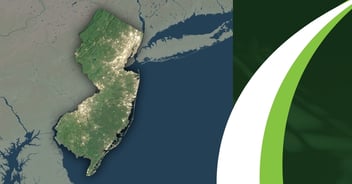
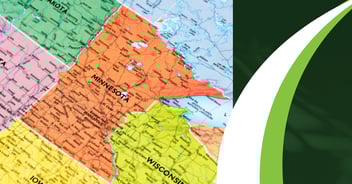
Massachusetts isn't the only state recalibrating its paid leave funding model this cycle. Minnesota's paid family and medical leave program runs a comparable employer/employee split, and New Jersey recently moved on its own family leave expansion. For a fuller view of what's moved recently, see our latest Compliance Corner roundup.
See how Greenshades can help your team stay ahead of compliance changes.
See How Greenshades Handles Multi-State Compliance ChangesNote: This information is for informational purposes only and does not constitute formal tax, legal, or compliance advice. Always consult with qualified tax advisors, legal counsel, and your organization's internal teams for guidance specific to your situation. Additional regulations may apply. For the most accurate and up-to-date information, refer to official government resources and regulatory agencies.
Get the latest updates from our company by subscribing to our newsletter. Stay up-to-date with our content, receive news about our products, and gain industry insights from our experts. Don't miss out on this valuable resource - sign up today!
By subscribing to our email updates, you agree with our Privacy Policy.