




Solutions
Platform

Payroll
Pay employees with ease and accuracy

Human Resources
Enhance the employee experience with efficient HR

Benefits Administration
Give your employees the resources they need to thrive

Taxes & Compliance
Keep your business taxes in top form

Time & Labor Management
Spend less time managing your employee’s time
Who we serve
Who We Serve
We serve a wide range of industries, here are just a few!

Handle the diversity of your agency and clients in one platform.

Manage diverse staff and tax requirements for teams on the move.

Optimize human capital management for all healthcare teams.

Spend less time on the details and more on your mission.

Easily manage field crews and other deskless workers.

Keep your operations running smoothly with quick and efficient payroll solutions.

Expand the capabilities of Microsoft’s ERP solution for mid-sized companies

Working with D365 Business Central and D365 Finance

Take a unified approach to staffing, recruitment, payroll, and HR

Add new life to Legacy Platforms [GP, NAV, AX, SL] with Greenshades Payroll and HR

Extend the abilities of this powerful CRM, ATS, and financial platform

Simplify operations through integrated payroll, HR, and financial management

Streamline workforce management and boost operational efficiency.
Resources
Resources
01/13/2026
What Employers Need to Calculate and Report

Table of Contents
⚠️Note: This information is for informational purposes only and does not constitute formal tax, legal, or compliance advice. Always consult with qualified tax advisors, legal counsel, and your organization’s internal teams for guidance specific to your situation. Additional regulations may apply. For the most accurate and up-to-date information, refer to official government resources and regulatory agencies.
What Changed
For tax year 2025, eligible individuals may claim an above-the-line deduction for qualified overtime compensation, subject to statutory limits and income phaseouts.
Because IRS forms were not updated for tax year 2025, the IRS issued transitional guidance for employers. Employers are not required to separately report qualified overtime compensation or tip income on 2025 forms, and no penalties apply as long as the base filing is complete and accurate.
However, the IRS encourages employers to provide qualified overtime information to employees using secure methods such as:
- An online payroll portal
- A written or digital year-end statement
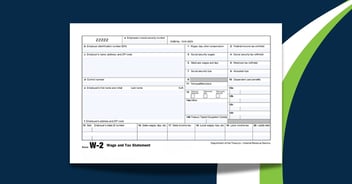
- Box 14 of the Form W-2
Dedicated W-2 reporting codes for qualified overtime will begin in tax year 2026.
What Overtime Qualifies and How to Calculate
The most common point of confusion: only the FLSA overtime premium qualifies for the deduction.
- Qualifies: the premium portion of FLSA-mandated overtime (generally the extra 0.5× paid on hours worked over 40 in a workweek)
- Does not qualify: the straight-time portion of overtime pay, daily overtime, double-time, or overtime that is not required under the Fair Labor Standards Act (FLSA)
Beginning in tax year 2026, employers will be required to report the total amount of qualified overtime compensation separately.
For tax year 2025, the IRS allows employers to determine qualified overtime premium amounts for their employees using existing records and reasonable methods. Examples include:
- A separate “overtime premium” figure, if your payroll system already tracks it
- One-third of total overtime pay, when overtime is paid at time-and-a-half (1.5×), since the premium represents one-third of the total overtime amount
- Calculations based on actual overtime hours × regular rate, when no annual summary or premium breakout exists
The IRS emphasizes that reasonable, well-documented methods are acceptable during this transition year.
What to do Now
- Confirm your payroll setup separates FLSA overtime from other overtime types, using distinct earning codes where possible
- Decide how you will provide qualified overtime information to employees for 2025 (Box 14 or a separate statement are both acceptable)
- Document your calculation methodology and retain supporting payroll records in case of employee or auditor questions
Read now: Leveraging Box 14 for 2025 - How Employers Can Support Tip & Overtime Deductions
Providing clear, consistent overtime premium information now helps employees claim the deduction and positions your payroll process for mandatory reporting in 2026.

You May Also Like